
There be dragons
but not for the slaying

It is always hard to predict when the sacred will next reach out its hand and touch us on the cheek. We yearn for a word, for a sign, for confirmation, but the hot months of summer pass slowly and without a letter in the post. We long for the soft fingers of serendipity to brush our face. But creation is busy about its business. It has so many duties and responsibilities. There are fledgling thrushes who need to be guided to cover or guided gently over. Froglets throng the grass next to the castle pond and must not be stood upon. The old lady toad who lives under the rotting floor of the garden shed has to be provided with dew to cool her belly. You and I will have to wait our turn for attention. We are far down the list. Even the trees are consumed with the composition of damsons, the manufacture of mast. They are focused on strategic decisions about the direction of the uppermost branches. You can hug them again in autumn, perhaps. When things are less frantic.
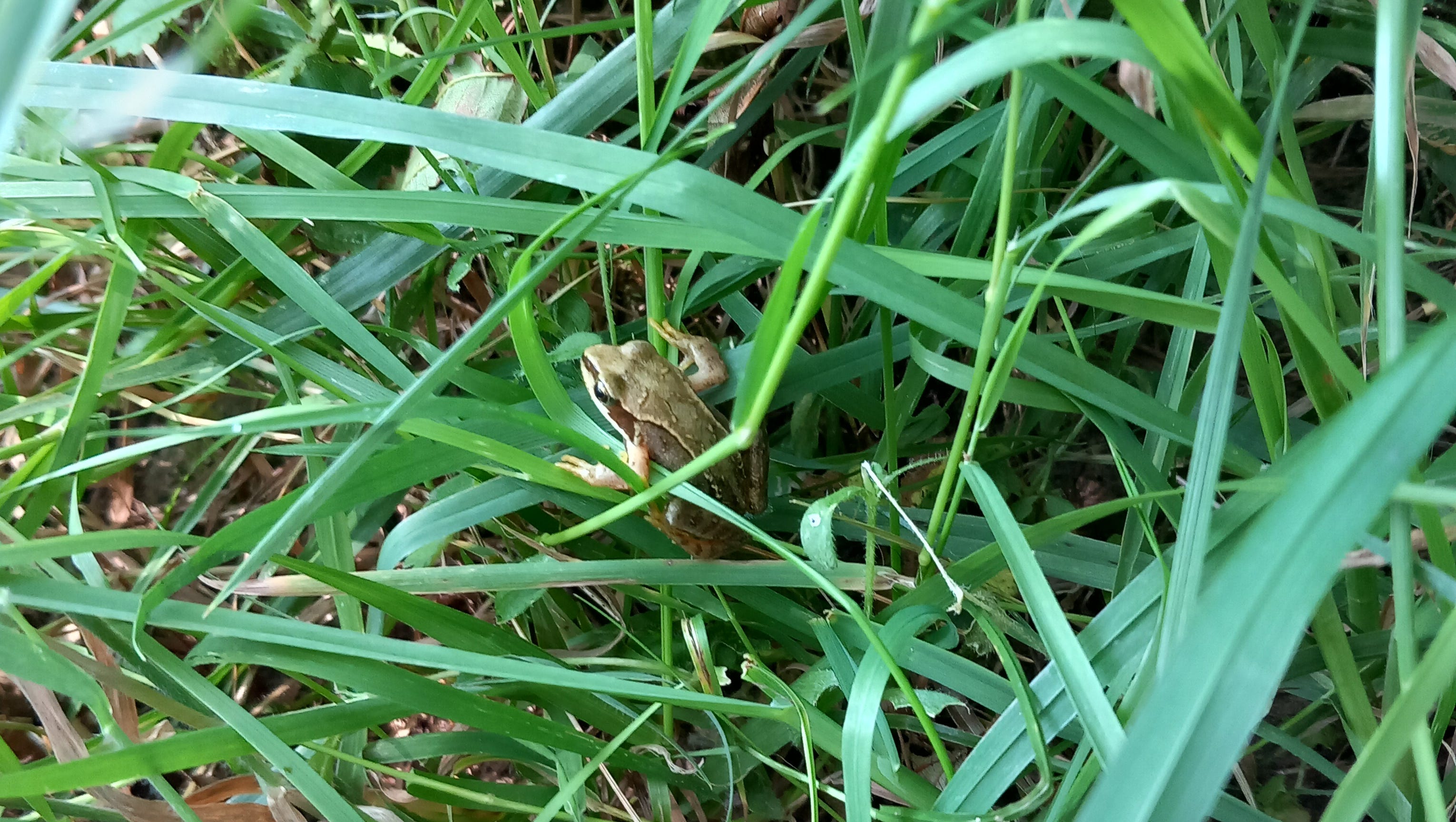
For now we can only sit in the dust and play in the sun while the gods of river and forest turn the wheels of the world. We must trust. We have to learn to be patient. Even in these dog days of the heart we can still hold on to the keepsake relics of faith: a water-smooth pebble from an upland stream, a twist of black fleece, a memory of a kindness. But perhaps you have left your treasures in a jar at home for safekeeping? No matter. Please share mine. It is only a memory of a single night, a small loop of black silk. But I hope there is enough for two.
***
Asainte. Say the word and click your heels. Come ashore amongst the abyssal glacial lochs of Asainte. The still waters in this western, northern corner of the Scottish Highlands are profoundly deep. Long long ago, glaciers roamed this land. They snouted and drove their tusks into the ground so that they could wallow in trenches hundreds of feet deep.
It is approaching midnight, towards the end of August. Night doesn’t really fall. Not this far north. Here, in late summer, the day just takes a quick nap. Dozes off. Briefly, fitfully. As do I. I am a fugitive from the world and people on the run rarely sleep deeply. During the day I had rowed a little clinker-built skiff to the far fringe of the crooked loch. I will not say its given name. You will know it when you find it. And you will find it when you have need of it. The boat belongs to an old crofter of this far-away parish. If you ask him for the use of his boat he looks long and hard into your eyes. Puts no questions. Either he hands over the key to the heavy brass padlock at the mooring, or withholds it with some plausible excuse. Depending on what he sees in your face.
Even by boat, it is some miles to the western-most bay of this complex, fractal loch. Overland, the walk to the far shore would be a murderous challenge of swallow-you-whole peat hag and fractured shoreline crag. The distant western bays are about as far from a road as it is possible to get on our busy little British island. This summer night I have returned alone to a familiar sanctuary where once there had been companionship and love and fish for breakfast. I have been drawn once more to the flat shingle platform at the head of stag-bellow bay.
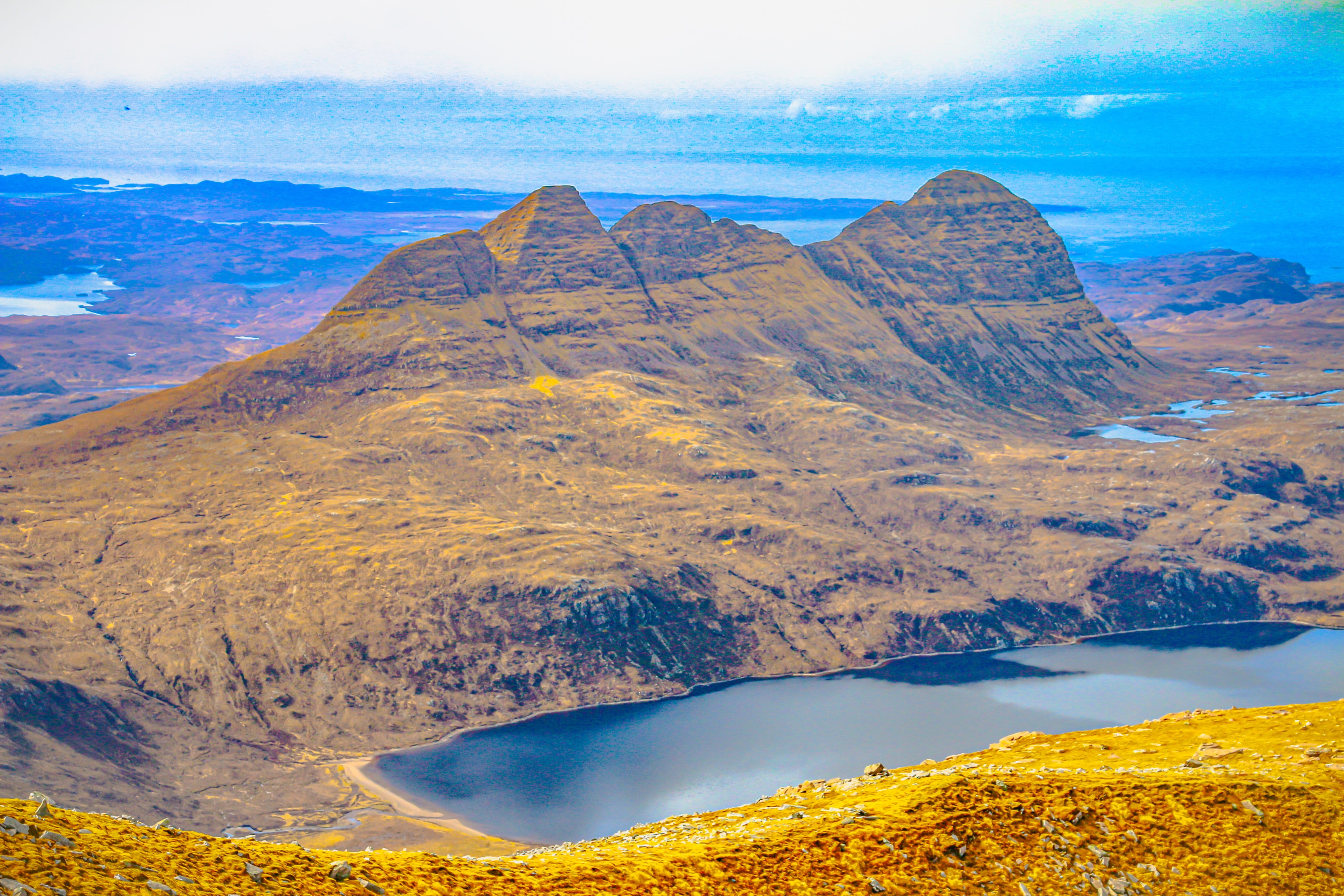
Two streams, identical twins, flow into the narrow neck of the inlet and over many centuries of storm and spate they have deposited a treasure trove of smooth, fine gravel. It has formed a stage, some forty yards wide by fifteen deep, just above the strip of pale sand onto which the rippling waves expend themselves with a quiet sigh. Hidden in a vast heartbreak heather wilderness of ancient weathered peat, the nutrients of its blackened flesh long since leached away, the gravel has conjured up a close-cropped lawn with a profusion of harebell, silverweed, tormentil and milkwort. The ground is bowling green level. The only level ground for a million miles. You would think that there must be a groundsman. Perhaps there is. In season, a patch of yellow saxifrage whispers indiscreetly of a secret stash of limestone kept somewhere in the dungeons of the miserly gneiss.1
I had been expecting there to be a breeze. The steep sides of the bay, by my reckoning, would funnel the forecast light easterly and keep the breeze above the critical five or six knots. With such a flow coming off the open water, the air would stay clear of midges through the night.2 But plans and forecasts are for the amusement of the gods. Around ten o’clock the wind coughed and spluttered and fell to the ground. Stone dead. Air and fire were forming a new alliance, to which the wind was an unacceptable obstacle. Steps had been taken.
Within minutes the atmosphere smoulders and catches, transforming into a smoke of tiny hungry mouths. I was barely ahead of them, zipping shut the hood of my midge-mesh jacket and covering my hands in a pair of old flying gloves. For now I am safe in my space suit. You can survive in such a suit. Wait it out. But you cannot live.
Before midnight I can bear the incessant hum of the midges no longer. I load my belongings into the stern of the skiff and say goodbye to the harebell paradise at the head of stag-bellow bay. The joy of another sunrise on this most intimate of ground is not to be mine. Some paradises cannot be revisited.
Out onto the boundless inky black. Each time the oars roil the pristine surface, a pair of circles form, expand and meet one another in the symbol of endlessness. I am leaving behind me a trail of infinities: 8 8 8 8 …
The sky is full of stars and the silvered glass of the loch is crowded with constellations. As I pull myself onwards into the heart of the black waters, the solid ground in which I have always placed such trust is reduced to a thin wafer of darkness between two oceans of stars.
The midges persist for a few hundred yards, following the pied-piper promise of my breath. Then, finally, silence. I urge the little boat on for another twenty strokes before I gently stow the oars and clear the net from my face. For a short while we continue to glide further out. If I dip a fingertip into the dark water there is a little v-shape that tells us we are still moving. But soon there is only the sticky tension of the meniscus.
We have come far out beyond the littoral shallows. The little boat senses it and shudders. Below the keel is a slow endless falling into the deepest belly of the loch. Many hundreds of feet. A tumbling back-fall vertigo overwhelms the stars. Down is the new up. The boat and I are swinging out over a precipice, giddy at the grimace of gravity, belayed only by buoyancy.
Far below us there is movement in the darkness. The chasms of the crooked loch are the home of giant ferox trout, salmo trutta ferox. A kissing cousin of the brown trout, ferox are the fish-eating dragons of the glacial lochs of Scotland, growing vast and toothsome on a diet of young trout and arctic char. They come up from the deeps only to spawn. But in my imagination they are rising now on slow sweeps of their gigantic tails, and gathering their hungry bulk around me, just below the surface. I am marooned in their world. Surrounded. I am exiled from my element and a flightless juvenile in theirs. The ancient terror of the night slides its fingers up the nape of my neck.
A good teacher should push right to the edge before stepping back. Should bend but not break. The iron-set face of the world at last softens and speaks. From the distant southern shore comes the familiar haunted trill of a drumming snipe. Then another to the north. Further back in the hard hinterlands of Sula Bheinn and Canasp, snatches of distant snipe rebound from the slopes. The little bird with its winking black eye is draping the sky with the vertical lines of its calling.3 The heavens glow with an aurora of sound.
Receiving the world’s mercy, the little boat and I make our peace with creation. I curl like a cat under the oarsman’s seat and the skiff holds me in its cupped klinker hands. The loch watches over us as we dream ourselves out of the dog days of the heart.
As dawn approaches a steady breeze gets up from the west. It drifts us past islets of Scots pine, birch and stunted willow into a bay I have never seen before.
The geology of the area is fiendishly complicated. There is a base layer of gneiss with an overburden of sandstones, mostly weathered away but with dramatic peaks like Sula Bheinn remaining. There are pockets of limestone and other base-rich rock here and there, which generate patches of nutrient richness with characteristic flora and fauna.
Most of you will be familiar with the midges of the Highlands. They are tiny biting insects which form dense clouds and can drive people and animals to near madness. A decent breeze prevents them from flying.
The European snipe’s characteristic ‘drumming’ is actually produced by the fluttering of two specially adapted feathers either side of the tail. The bird ascends to a suitable height before descending vertically at great speed, extending these feathers into the airflow. One night on our croft in Lewis I was listening to this sound while watching the northern lights. The vertical patterning of sound and sight was the closest I have come to synaesthesia.
Lovely and lulling and magic as always.
Stunning Suilven and Assynt - I love it there! Thank you for your beautiful words 🙏🏻